
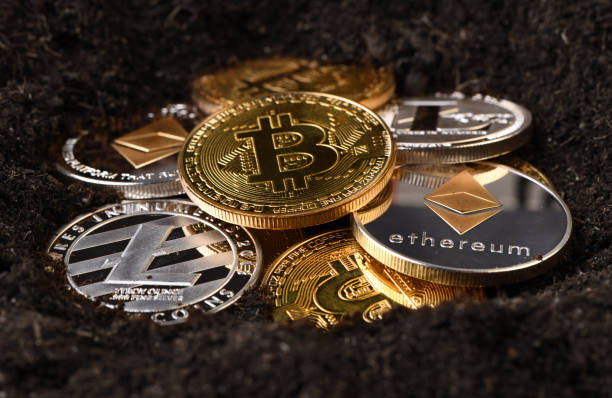
Crypto has changed a lot since 2025. Institutions are in, regulation is taking shape, and prices have swung hard. So which cryptocurrency has the best future? It depends on real-world use, technology and trust. No one can predict prices, but here is where the main contenders stand today.
What Changed Since 2025
Bitcoin hit a record high of about $126,198 on 7 October 2025 and then pulled back sharply. Analysts have split on 2026: some expect new highs, while others expect a longer bottoming phase. That’s why diversification and risk management matter more than any single prediction. outlookmoney
Bitcoin (BTC): Digital Gold
Bitcoin remains the most trusted and widely held crypto. Its supply is capped at 21 million coins, and spot Bitcoin ETFs have made it easier for institutions and everyday investors to hold. It isn’t the fastest coin, but its role as a long-term store of value is the strongest in the market. Expect volatility along the way.
Ethereum (ETH): The Smart Contract Platform
Ethereum powers decentralized apps, DeFi, tokenization and much of the stablecoin economy. Its energy use fell sharply after the move to proof-of-stake. It also reached a record of about $4,953 before falling back, which shows how swings can be larger than Bitcoin’s. Its future depends on keeping developers and activity on its network. outlookmoney
Stablecoins (USDT, USDC): The Payments Layer
Stablecoins are the fastest-growing part of crypto. The total stablecoin market was about $318 billion in mid-2026. The U.S. GENIUS Act was signed in mid-2025 and takes effect on the earlier of January 18, 2027, or 120 days after final rules are published. The law also bans issuers from paying direct interest to holders. USDT is still the largest by market cap, while USDC leads in transaction volume. Because they hold steady value, stablecoins are the easiest crypto to spend on a card like Bfree. stablecoin market report july 2026 +4
Solana (SOL): Speed and Low Fees
Solana is known for fast, cheap transactions, which suits payments, gaming and consumer apps. It now has spot ETF products in the U.S. market. It is still more volatile and less proven than Bitcoin or Ethereum. blockeden
XRP: Cross-Border Payments
XRP targets fast, low-cost international transfers between financial institutions. U.S. spot XRP ETFs have launched, which broadened access for investors. Its future depends on how much banks and payment firms actually use it. blockeden
So, Which Crypto Has the Best Future?
There is no single answer. Bitcoin is the store of value, Ethereum is the platform for new apps, stablecoins are the payments layer, and Solana and XRP are bets on speed and cross-border use. Most people spread their money across several and only invest what they can afford to lose.
Pros and Cons
Pros
- Growing institutional access through ETFs
- Clearer rules, such as the GENIUS Act for stablecoins
- More real-world use in payments and settlement
Cons
- Prices remain highly volatile
- Regulation differs by country and keeps changing
- Heavy competition among blockchains
Spend Crypto, Whichever Coin Wins
You don’t have to pick a winner to use crypto today. With Bfree you can:
- Fund your wallet and spend with a Bfree card online and in stores
- Pay bills, buy mobile data, and top up airtime in 150+ countries
- Earn cashback on everyday purchases
- Keep control of your keys and funds
Remember that in many countries, spending crypto can be a taxable event. Keep records and check your local rules.
More from Bfree